
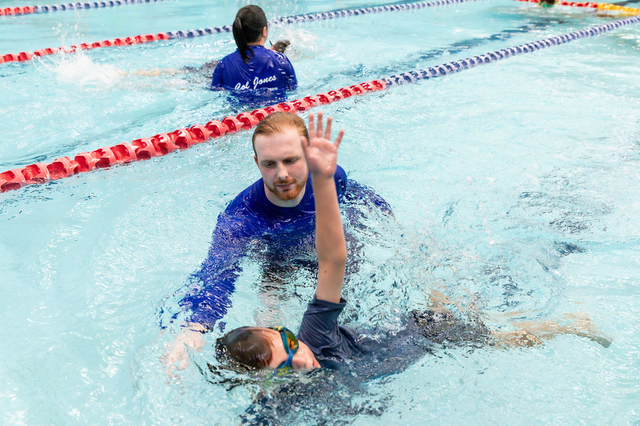
Children Swimming Lessons: A Comprehensive Guide for Parents
Estimated reading time: 10 minutes
Key Takeaways
- Children swimming lessons are essential for safety and can prevent drowning.
- Swimming benefits children’s physical development, including cardiovascular fitness and muscle strength.
- Learning to swim supports mental and emotional growth, boosting confidence.
- Swim classes help develop social skills through team interaction.
- Choosing the right age-appropriate swim program and qualified instructors is crucial.
Table of Contents
- Understanding the Importance of Children Swimming Lessons
- Choosing the Right Kids Swim Classes
- Effective Approaches to Learn to Swim for Kids
- Exploring Swimming Programs for Children
- Emphasizing Child Water Safety Lessons
- Supporting Your Child’s Swimming Journey
- How to Choose the Best Swimming Program for Your Child
Swimming is an incredible skill for a child to have. Not only is it a fun, healthy activity for them to take part in, but it also keeps them safe and can save lives. If you’re a parent considering enrolling your child in swimming lessons, you’re making a wise and important choice. This article explores why children swimming lessons are so essential and how to choose the right program for your child.
Understanding the Importance of Children Swimming Lessons
Safety: A Lifesaving Skill
Swimming isn’t just about having fun. It’s an essential life skill that can help to prevent drowning and water-related accidents, which are the leading cause of injury-related death for children in many countries. Children swimming lessons teach important safety skills like floating, treading water, and safe entry and exit from the pool. These are vital skills known as child water safety lessons, which could save your child’s life.
Physical Development Benefits
Swimming provides a total full-body workout, making it an excellent exercise for healthy physical development. Regular swimming develops cardiovascular fitness, flexibility, and muscle strength in children, as found by research by the Metro YMCA. These are not just advantages for the short term—swimming programs for children provide health benefits that will stick with them for life.
Mental and Emotional Growth
Swimming isn’t just about physical health; it also supports mental and emotional growth. Learning to swim can give children a huge confidence boost, particularly as they see themselves getting better and mastering new skills. Working towards and achieving swimming goals doesn’t just motivate children to swim but also contributes to a positive mindset in other areas of life.
Social Skills Development
Kids swim classes also offer the chance for social development. Working as a team, supporting each other, and interacting positively with peers are all encouraged in group swimming lessons, as per research by the British Swim School.
Choosing the Right Kids Swim Classes
Age-Appropriate Programs
One factor to take into account when considering swimming lessons is your child’s age and developmental stage. Many swim schools offer classes tailored to different age groups, from infants to older children. Choosing an age-appropriate program will ensure the lessons are targeted to your child’s ability level and learning style.
Qualified Instructors
It’s vital to ensure that the swim school you choose employs instructors who are qualified and experienced in teaching children. Ideally, they should have credentials from recognized organizations like the American Red Cross or USA Swimming.
Class Size and Environment
Another factor to consider is class size. Smaller classes often provide a safer environment and more personalized attention from instructors. Ideally, the student-to-instructor ratio should be 4:1 or lower for children’s swimming lessons.
Effective Approaches to Learn to Swim for Kids
Curriculum Design
Good swimming programs will create a balance between skill development and fun. The best learn-to-swim programs for kids build skills progressively while incorporating games and interactive exercises.
Engaging Teaching Methods
Keeping children interested is key—creative teaching methods such as songs, games, and colorful equipment help children retain information better.
Progress Tracking
Quality swim programs should monitor and report children’s progress, allowing instructors to tailor their teaching to each child’s needs and parents to understand their progress.
Exploring Swimming Programs for Children
Group Classes vs. Private Lessons
Group classes and private lessons each have their pros and cons. Group classes offer social interaction and peer motivation, whereas private lessons provide individualized attention. Your choice will depend on your child’s personality and learning style.
Seasonal vs. Year-Round Programs
Some families prefer seasonal programs that align with the school schedule, while others prefer year-round lessons. Whatever you choose, make sure it fits your family’s lifestyle and long-term goals for swimming.
Specialized Programs
For children with a keen interest in the water, it might be worth considering specialized programs focusing on competitive swimming or specific skills like diving or water polo.
Emphasizing Child Water Safety Lessons
Essential Safety Skills
Swimming lessons should teach essential safety skills like floating, treading water, and safe pool entry and exit.
Emergency Preparedness
Children should also learn basic lifesaving techniques and what to do in case of emergencies.
Parental Involvement in Water Safety
At home and when swimming recreationally, parents can reinforce what their children learn in swimming lessons. This consistent messaging is significant in helping to prevent water accidents.
Supporting Your Child’s Swimming Journey
Encouragement and Motivation
Keeping your child motivated is key in their swimming journey. Celebrating small victories and setting achievable goals are great ways to maintain your child’s interest.
Creating a Safe Home Environment
Safety measures should be implemented at home too—this might involve installing pool fences or alarms and teaching siblings the importance of not pushing each other into the pool.
Celebrating Milestones
Tracking your child’s achievements in a swim journal or chart can be a fun way to motivate your child and strengthen their swimming journey.
How to Choose the Best Swimming Program for Your Child
Research and Recommendations
A great starting point when researching swimming programs is checking online reviews and testimonials. Recommendations from friends or family or local community groups can also be helpful when selecting a swim school.
Trial Classes and Assessments
Attending trial classes can help you evaluate the teaching style, environmental suitability, and assess your child’s comfort level with the instructor and classmates.
Evaluating Program Success
Regular assessments, instructor feedback, and open communication channels between parents and instructors are signs of a fruitful swimming program.
In conclusion, enrolling your child in swimming lessons offers many benefits, from fundamental lifesaving skills to nurturing personal growth and confidence. Not only does it safeguard against the risk of water accidents, but it also opens doors to a lifelong enjoyment of swimming and other water activities. So, embark on this important journey, and feel confident knowing you are making a significant investment in your child’s future.
Frequently Asked Questions
Q: At what age should I start my child in swimming lessons?
A: Many swim schools offer programs for infants as young as six months old. It’s important to choose an age-appropriate program that suits your child’s developmental stage.
Q: How often should my child attend swimming lessons?
A: Consistency is key. Attending lessons at least once a week is recommended to reinforce skills and build confidence.
Q: What should I look for in a good swim instructor?
A: Look for instructors who are qualified, patient, and have experience working with children. Certifications from recognized organizations are a good indicator of professionalism.

I’m Mehdi Aardin, Director of FuntoSwim and a Swim Australia qualified Teacher and Trainer with over 20 years of experience in swimming education. I specialise in baby, toddler, children’s, adult, and special needs swimming lessons, with a strong focus on water safety, confidence, and inclusive learning.
Related Posts
