

Swim Meet Preparation Tips: Elevate Your Game to the Next Level
Estimated reading time: 7 minutes
Key Takeaways
- Develop a personalized training plan for swim competitions to align with your goals.
- Implement effective swim meet preparation strategies, including goal setting and time management.
- Establish pre-race routines that encompass physical warm-ups and mental preparation techniques.
- Equip yourself with essential swim gear for competitions to enhance performance.
- Maintain proper competitive swim nutrition and hydration for optimal energy levels.
Table of Contents
“The will to win, the desire to succeed, the urge to reach your full potential… these are the keys that will unlock the door to personal excellence.” – Confucius
One of the integral keys to unlock your full potential in swimming lies in preparing effectively for swim meets. This comprehensive guide will provide you with essential swim meet preparation tips, covering topics such as training for swim competitions, swim meet preparation strategies, pre-race routines for swimmers, essential swim gear for competitions, and competitive swim nutrition.
Training for Swim Competitions
Creating a personalized training plan tailored to your competition goals significantly generates positive outcomes in a swim meet. Embark on your journey to success with a structured training plan developed in consultation with your coach. Align this plan with specific goals and benchmarks to measure your progress.
To achieve your competitive objectives, incorporate various workout types:
- Endurance Training: Build your stamina with long-distance swims. For example, conduct sets of 5 x 400 meters at a steady pace for an effective endurance training session.
- Speed Training: Sure, swimming long distances matters, but what about your pace? Rev up your speed with sprints and interval training. A sample workout could include 10 x 50 meters at maximum effort with rest intervals.
- Technique-Focused Sessions: Swimming efficiently is paramount. Regularly conduct drills that focus on enhancing stroke efficiency, starts, and turns.
- To achieve perfection, incorporate endurance, speed, and technique sessions to cover all facets of competitive swimming.
Maintain consistency in your training while also prioritizing rest. As the great proverb goes, “You only get what you give.” Continuous training ensures progress while scheduled rest periods prevent burnout. Utilize the practice of tapering before major competitions to peak at the right time.
Swim Meet Preparation Strategies
Concrete goals provide tangible targets. Set clear, achievable goals using the SMART (Specific, Measurable, Achievable, Relevant, Time-bound) framework. For instance, strive for personal best times in each event to keep you focused and motivated.
Time management is another essential strategy. Organizing your schedules leading up to the meet can help alleviate unnecessary stress. Finalize travel arrangements, plan meals and rest times, and prioritize tasks before the big event.
Practice makes perfect, and practicing under conditions similar to competition settings is even more beneficial. Use starting blocks, pursue race-pace sets, and if possible, practice with official timing systems. Simulating competition conditions in your training allows you to fine-tune your starts, turns, and race strategies.
Pre-Race Routines for Swimmers
On the day of the swim meet, having a comprehensive warm-up routine guarantees a smoother transition into the race:
- Dryland Warm-Up: Engage in light jogging, jumping jacks, or other activities to increase your heart rate. Perform dynamic stretches targeting your shoulders, hips, and legs.
- In-Pool Warm-Up: Start with easy swimming, such as a 400 meters freestyle. Focus on technique in your drills, followed by sprint sets to prepare your muscles for high-intensity efforts.
Positive mental preparation techniques are equally vital. You can implement methods such as visualization, deep breathing exercises, and progressive muscle relaxation. Replace any negative thoughts with constructive ones through the power of positive self-talk. For more insights on the psychological aspects of swimming, check out our swimming for mental health article.
You also shouldn’t forget a race day checklist. This effective tool ensures nothing is left out, including all necessary swim gear (suit, goggles, cap), snacks, water, sports drinks, and even your meet schedule and heat sheets. Remember, preparation is the key to success.
Swim Gear for Competitions
In swimming, you are only as good as your gear. Indeed, having comfortable and reliable swim gear can significantly affect your performance on competition day:
- Competition Swimsuit: Ensure your swimsuit complies with the relevant regulations and is comfortable enough for you to move freely.
- Goggles: Invest in a pair of well-fitting, anti-fog goggles. For good measure, bring a backup pair, so you’re prepared for any mishaps.
- Swim Cap: This key piece of gear provides hydrodynamic benefits in the water. Choose between silicone and latex materials depending on your preference.
- Additional Gear: Don’t forget essentials such as towels, deck coat, flip-flops, and a water bottle.
Have a keen eye for performance-enhancing swimwear as well. These offer benefits such as reduced drag and improved compression and support. To make the right choice, try out different suits during your training sessions.
Modern swim technology and gadgets such as fitness trackers, waterproof MP3 players, and tempo trainers can provide a competitive edge. These tools monitor your performance and can offer valuable insights into your progress.
Competitive Swim Nutrition
Proper nutrition is the fuel that drives your performance.
- Pre-Meet Nutrition: Load up on complex carbohydrates and lean proteins for meal 2-3 hours before the event. These will provide the sustained energy you need.
- During the Meet: Keep your energy levels up with light snacks such as bananas and energy bars. Stay away from heavy, fatty foods that can slow you down.
Hydration is equally significant. Start hydrating well before the meet and maintain this consistently. Remember to drink not just when you are thirsty. Consider electrolyte drinks for longer events or hot conditions.
When it comes to supplements such as electrolytes, protein shakes, and recovery drinks, always consult with a coach or nutritionist. Ensure your supplements are in compliance with competition regulations.
Conclusion
Mastering the art of swim meet preparation is a journey involving several steps. Training effectively, executing comprehensive preparation strategies, and maintaining proper nutrition and hydration positions you for success. Your pre-race routines and the right gear complete the power-packed package to really make a splash at your next event.
Remember, every champion was once a beginner who refused to give up. Stay dedicated, implement these tips, and see how it propels your performance in your next swim meet. Remaining positive and enjoying the competitive process makes swimming more enjoyable. Stick to this mantra: “Work Hard. Swim Harder. But Above All, Have Fun!” And, before long, you will find yourself reaching your personal best and beyond. Happy Swimming!
Frequently Asked Questions
Q: How far in advance should I start preparing for a swim meet?
A: Ideally, you should begin your focused preparation at least 6-8 weeks before the swim meet. This timeframe allows you to build endurance, enhance speed, and fine-tune your techniques effectively.
Q: What should I eat on the day of the swim meet?
A: On the day of the meet, consume light, easily digestible foods rich in carbohydrates and proteins. Examples include oatmeal with fruits, whole-grain toast with peanut butter, or a smoothie with bananas and yogurt. Remember to stay hydrated throughout the day.
Q: How important is sleep before a competition?
A: Sleep is crucial for recovery and performance. Aim for 8-9 hours of quality sleep in the days leading up to the competition to ensure your body is well-rested and ready to perform at its best.
Q: Can I listen to music before my race?
A: Yes, listening to music can be a great way to relax or get energized before your race. Just make sure to comply with the competition’s rules regarding electronic devices on the pool deck.
Q: Should I warm up even if I feel ready?
A: Absolutely. Warming up is essential to prepare your muscles for intense activity and to prevent injuries. It also helps to get you mentally focused for the race ahead.
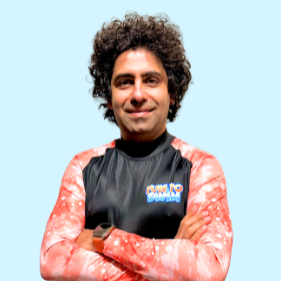
I’m Mehdi Aardin, Director of FuntoSwim and a Swim Australia qualified Teacher and Trainer with over 20 years of experience in swimming education. I specialise in baby, toddler, children’s, adult, and special needs swimming lessons, with a strong focus on water safety, confidence, and inclusive learning.
Related Posts
