
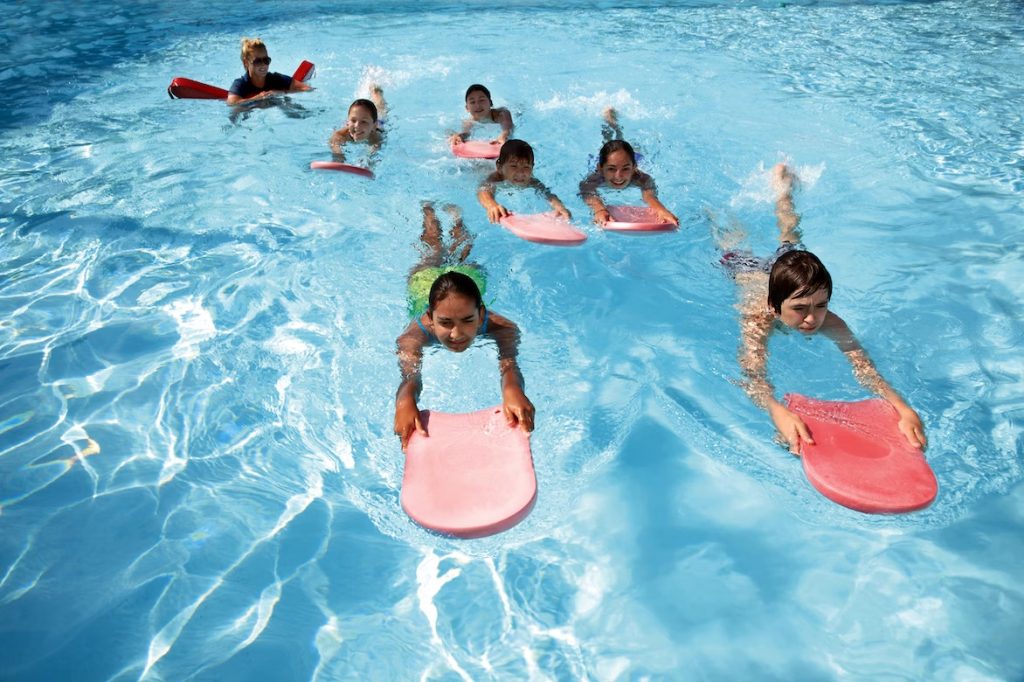
Swimming Lessons for Special Needs: A Comprehensive Guide
Estimated reading time: 7 minutes
Key Takeaways
- Swimming offers significant physical, mental, and social benefits for individuals with special needs.
- Adaptive swimming classes provide individualized instruction tailored to unique abilities.
- Inclusive swim programs foster diversity by integrating swimmers of all abilities.
- Special needs water therapy enhances physical and mental well-being through aquatic activities.
- Choosing the right swimming program involves ensuring certified instructors and appropriate facilities.
Table of Contents
- Swimming Lessons for Special Needs: A Comprehensive Guide
- Key Takeaways
- Benefits of Swimming for Individuals with Special Needs
- Understanding Adaptive Swimming Classes
- Inclusive Swim Programs
- Special Needs Water Therapy
- Disabled Swimming Instruction
- Choosing the Right Swimming Program
- Conclusion
- Additional Resources
- Frequently Asked Questions
Swimming is an essential life skill, and its benefits extend far beyond basic water safety. For individuals with special needs, swimming lessons can bring about a world of physical, developmental, and emotional growth. The rising demand for specialized programs has led to the development of swimming lessons for special needs, inclusive swim programs, and adaptive swimming classes. Tailored to accommodate individual abilities, these programs are mini ecosystems that encourage personal growth and community building. So, if you’re a caregiver or an individual seeking swimming lessons for special needs, this guide is for you.
Benefits of Swimming for Individuals with Special Needs
The advantages of swimming for individuals with special needs can be broadly categorized into physical, mental and emotional, and social benefits.
Physical Benefits
Enrolling in adaptive swimming classes or special needs water therapy helps enhance motor skills and increase muscle strength due to the water’s resistance. Moreover, it also improves flexibility and expands the range of motion. Water resistance aids in building physical endurance, paving the way for better breath control and increased lung capacity. To determine the appropriate level for these classes, consider using resources like Find Your Swim Level.
Mental and Emotional Benefits
Learning new skills in water heightens a sense of accomplishment, contributing significantly to an individual’s confidence and self-esteem. Moreover, the calming effect of water aids in reducing anxiety and promoting relaxation. It may be particularly beneficial for children on the autism spectrum, as they often find sensory input from water pleasant and regulating.
Social Benefits
Swimming in a group setting encourages social interaction, enhancing communication skills, and promoting teamwork. Participants can also form friendships, improving their behavioral conditioning and self-control.
Understanding Adaptive Swimming Classes
Adaptive swimming classes create a supportive environment for individuals with various disabilities. These specialized programs focus on providing individualized instruction that addresses the unique learning styles and physical abilities of each learner. The objective is to inculcate safety, comfort, and skill in the water.
Tailored instructional approaches, including visual cues, verbal directions, or direct demonstration, help ensure every learner’s understanding. To cater to individual pace and attention, consistency and gradual adaptation are promoted, providing a learning environment free from overwhelming distractions.
Adaptive equipment, like floating mats, life jackets, and specialized swim caps, allow learners with motor challenges to participate safely and effectively. Gradual progress through structured lesson plans aids in building confidence and competency. For more guidance on selecting the right level, visit Find Your Swim Level.
Inclusive Swim Programs
Inclusive swim programs integrate swimmers with and without disabilities, aiming to foster an environment of diversity and understanding. By integrating all participants in learn-and-grow together programs, these initiatives promote empathy among peers.
Existing community programs offer inclusive classes where children of all abilities can flourish together. This shared participation with typically developing peers paves the way for greater acceptance and social opportunity for all.
Special Needs Water Therapy
Special needs water therapy uses water-based activities and exercises to boost both physical and mental well-being. The buoyancy and resistance of the water help in reducing joint stress and providing therapeutic sensory feedback.
Water therapy promotes relaxation and reduces muscle tension and pain. It also helps improve coordination and balance, and perfectly complements traditional therapies like physical, occupational, or speech therapies, offering a motivating supplement to traditional physical interventions.
Disabled Swimming Instruction
The instructors involved in disabled swimming instruction and swimming lessons for special needs undergo specialized training in adaptive techniques, safety, and communication. They are equipped to identify each student’s needs and tailor the instructions accordingly. With step-by-step instructions and a focus on celebrating every achievement, instructors foster an environment of trust and progress.
Special needs swimming programs have brought about significant improvements in self-esteem, motor skills, and water safety among several participants, attesting to their transformative effects.
Choosing the Right Swimming Program
Parents and caregivers considering swimming lessons for special needs should ensure that the instructors are certified and experienced in dealing with special needs. They should scrutinize the program structure, verify accessible facilities, ensure usage of adaptive equipment, and examine safety protocols in place.
Stay engaged during the lesson process, advocate for your child’s needs, and provide consistent encouragement. Remember, every child needs time to adjust to new environments and each achievement, however small, is worth celebrating.
Conclusion
Swimming lessons for special needs can bring about a life-changing impact on individuals by improving their physical health, emotional well-being, and essential water safety skills. Enrolling in adaptive swimming classes and inclusive swim programs equips them with a skill that promotes their confidence, social skills, and joy in water. Hence, it’s highly encouraged for families to explore these opportunities and enroll their loved ones with special needs in specialized swimming lessons.
Additional Resources
Several local swim schools, community centers, national organizations dedicated to aquatic therapy, and adaptive sports offer adaptive swim lessons and inclusive programs. Articles, guides on swimming for special needs, and studies on aquatic therapy are available from reputable swim schools, advocacy groups, and in medical and educational journals.
By following this comprehensive guide, individuals and caregivers can ensure they make informed decisions ensuring a safe, supportive, and rewarding swimming experience for those with special needs.
Frequently Asked Questions
What are the benefits of swimming for individuals with special needs?
Swimming offers numerous physical, mental, and social benefits for individuals with special needs, including improved motor skills, increased confidence, reduced anxiety, and enhanced social interaction.
How do adaptive swimming classes differ from regular swimming lessons?
Adaptive swimming classes are tailored to meet the unique needs of individuals with disabilities, offering individualized instruction, specialized equipment, and teaching methods that accommodate various learning styles and abilities.
What should I look for when choosing a swimming program for special needs?
Look for programs with certified instructors experienced in working with special needs, accessible facilities, appropriate safety protocols, and adaptive equipment to ensure a supportive and effective learning environment.
Are there specific certifications for instructors teaching special needs swimming?
Yes, many organizations offer certifications and training programs for instructors in adaptive aquatics and special needs swimming, ensuring they have the skills to provide safe and effective instruction.
How can swimming help my child with autism?
Swimming can be especially beneficial for children with autism, providing sensory input that is calming and regulating, improving motor skills, and offering opportunities for social interaction in a safe environment.

I’m Mehdi Aardin, Director of FuntoSwim and a Swim Australia qualified Teacher and Trainer with over 20 years of experience in swimming education. I specialise in baby, toddler, children’s, adult, and special needs swimming lessons, with a strong focus on water safety, confidence, and inclusive learning.
Related Posts
